9.7.1 CARCASS WEIGHT AND SLAUGHTER WEIGHT The weight of the body after the hide, head, tail, extremities, and viscera have been removed Dressed weight (also called carcass weight) refers to the weight of an animal after being partially butchered, with the...
category:
9. The feedlot Environment
Reach out to us for more information
9.6 South African Beef Standards and Grading System
9.6.1 Introduction The Agricultural Product Standards Act 1990, (Act No. 119 of 1990), together with the Meat Safety Act (Act No. 40 of 2000) provides measures to maintain essential national qualification standards and promote meat safety at the same time. The...
9.5 Types of cattle in a feedlot system
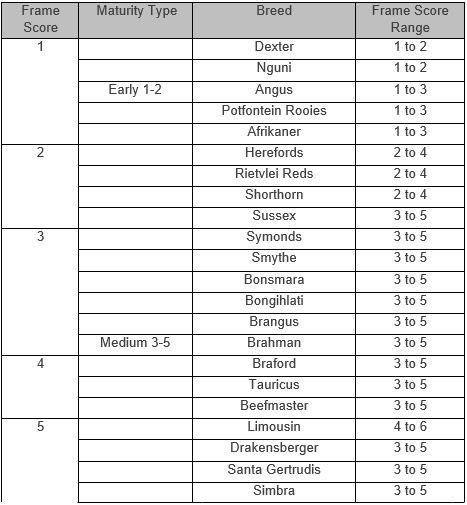
9.5.1 BREEDS Cattle are classified according to their maturity type. Early maturing types start depositing fat at an earlier age and can be market-ready at a live mass of 380 to 400 kg. Late maturing types can reach market readiness at a live mass of 500 kg or...
9.4 Finishing
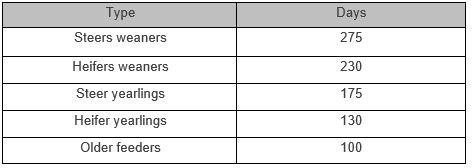
9.4.1 IMMEDIATE FINISHING / INTENSIVE SYSTEM This system refers to feeding on high quality feed, consisting of mostly grain with less roughage. The objective is to finish the feeder in the shortest period for sending to the abattoir. The feeding period...
9.3 Feedlot systems
A feedlot is an intensive type of animal feeding operation which is used in intensive animal farming systems for finishing livestock to the market. Feedlots may contain thousands of animals in an array of pens. Feedlots do require legal permitting and must have...