
Abbreviated as G-A-T-C, these four-building blocks are like a recipe book which holds the instructions for making all the proteins in the body of an organism. By reading the DNA genetic code from these 4 chemical structures, a cell can produce proteins to perform...
category:
3. Breeding systems
Reach out to us for more information
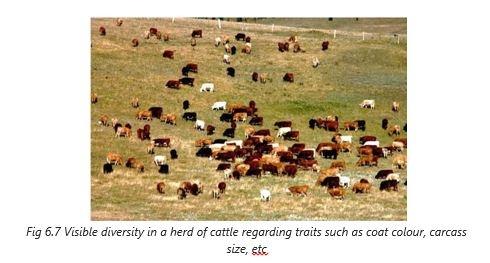
3.4 Animal selection based on genetics
Now that the process of cell division (mitoses and meiosis) is understood, it can be seen that the process of meiosis is the reason we study genetics. The effect of additive and non- additive genes This basic introduction ton genetics-- the cell, genes and DNA;...

3.3 Transmission of characteristics
Genes and gene effects A gene is the basic physical and functional unit of heredity. (Heredity the passing on of physical or mental characteristics genetically from one generation to another). Genes are made up of DNA and acts as instructions to make molecules,...
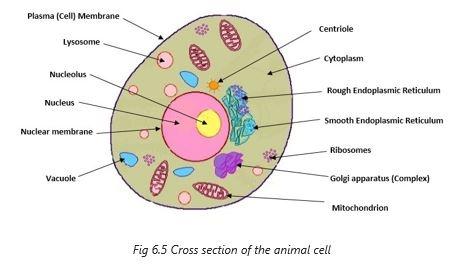
3.2 Anatomy of the cell
The basic anatomy of the cell The cell is composed of many parts, each having a different function. The animal cell consists out of the following parts or organelles. Cytoplasm – a jelly-like fluid, also called the cytosol that fills...

3.5 Beef breeding systems
3.5.1 Introduction The design of a breeding programme is a never-ending process - markets change, livestock change, technologies change, and humans change. There are however some proven breeding programmes that have withstood the test of time. It is...